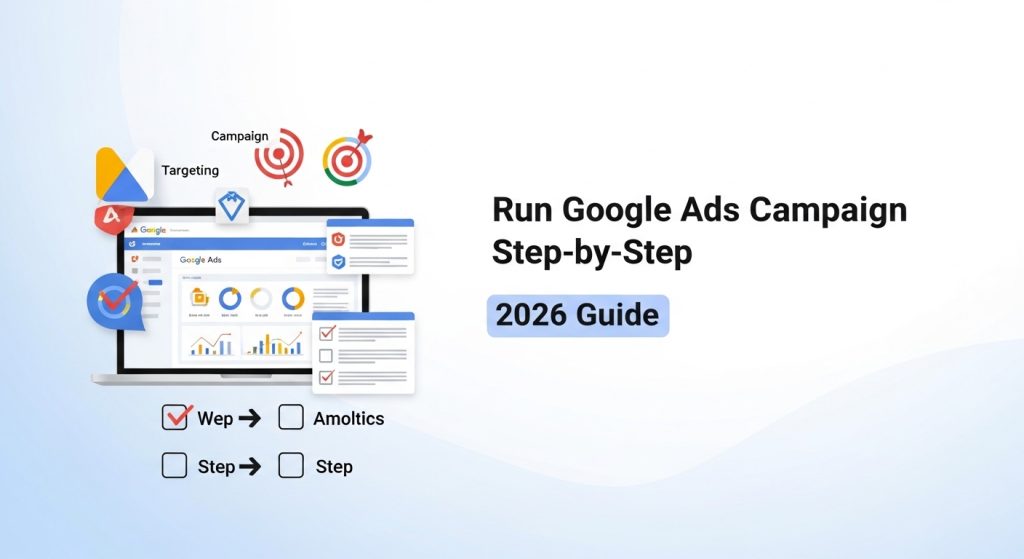
To succeed in digital marketing, understanding how to Run Google Ads Campaign is essential. Google Ads allows businesses to reach potential customers at the exact moment they search for products or services. A well-structured campaign helps increase visibility, drive traffic, and maximize ROI. Advertisers must understand the types of campaigns, including Search, Display, Shopping, and Performance Max, and how each aligns with business goals. Planning a campaign involves audience targeting, keyword research, and ad creation. Following a structured approach ensures that every ad dollar spent contributes to measurable results. In 2026, leveraging AI tools and automation within Google Ads further enhances campaign efficiency.
Choosing the Right Campaign Type
Selecting the appropriate campaign type is the foundation for success when you Run Google Ads Campaign. Search campaigns display ads on Google SERPs for relevant queries, making them ideal for high-intent traffic. Display campaigns use visuals on websites and apps, perfect for brand awareness. Shopping campaigns target e-commerce businesses with product-specific ads, while Performance Max campaigns use machine learning to optimize across all Google inventory. Understanding your business goals and audience intent helps in selecting the right type. Combining campaign types strategically can maximize reach and conversions while ensuring your budget is allocated efficiently.
Setting Up a Google Ads Account
Before you can Run Google Ads Campaign, a Google Ads account is required. Start by visiting ads.google.com, logging in with a Google account, and linking your payment information. Account setup includes selecting your business location, time zone, and currency, which are critical for accurate reporting. Setting up a Google Ads Manager Account is recommended for agencies or businesses managing multiple campaigns. Properly structuring the account with campaigns, ad groups, and keywords from the start ensures easier management and better optimization later. A well-organized account reduces errors, improves efficiency, and sets the stage for successful advertising.
Conducting Keyword Research
Keyword research is a critical step to Run Google Ads Campaign effectively. Keywords determine which search queries trigger your ads and impact click-through rates and conversions. Tools like Google Keyword Planner or third-party software help identify high-volume, low-competition keywords. Consider using long-tail keywords to target users with high purchase intent. Categorizing keywords by themes within ad groups ensures relevance between search queries, ad copy, and landing pages, boosting Quality Score. Proper keyword research not only improves ad visibility but also reduces wasted spend and enhances ROI. Continuous monitoring allows campaigns to adapt to changing search trends.
Setting Campaign Goals
Defining clear objectives is essential to Run Google Ads Campaign successfully. Campaign goals can include driving traffic, generating leads, increasing conversions, or boosting brand awareness. Selecting the right goal determines bidding strategies, ad types, and performance metrics. For instance, lead-generation campaigns may benefit from Target CPA, while e-commerce campaigns can use Target ROAS. Goals should align with overall marketing objectives, budget, and KPIs. By setting measurable and realistic goals, businesses can track success, optimize strategies, and make data-driven decisions, ultimately ensuring maximum return on investment.
Budgeting Your Campaign
Budgeting is a key step when you Run Google Ads Campaign. Decide on a daily or monthly budget based on business goals, campaign type, and expected cost per click. Automated bidding strategies like Maximize Conversions can optimize ad spend within your budget, whereas manual bidding provides full control over individual keyword bids. Allocating budgets to high-performing campaigns ensures maximum ROI, while testing new campaigns with smaller budgets minimizes risk. Regularly reviewing spend, bid adjustments, and campaign performance ensures money is spent efficiently and strategically across all campaigns.
Creating Compelling Ads
Effective ad copy is crucial to Run Google Ads Campaign successfully. Ads should include keywords in headlines, clear call-to-actions, and compelling descriptions. Highlight unique selling points (USPs) and use ad extensions like sitelinks, callouts, and structured snippets to increase visibility. For display campaigns, use engaging images or video creatives that resonate with your audience. Ads must align with landing page content to improve relevance, user experience, and Quality Score. Testing multiple ad variations helps identify top performers, ensuring campaigns continuously improve while maximizing clicks and conversions.
Optimizing Landing Pages
Landing pages play a pivotal role when you Run Google Ads Campaign. Ensure pages load quickly, are mobile-friendly, and match ad messaging. Include clear headlines, persuasive copy, and strong calls-to-action to guide visitors toward conversion. Using analytics tools to track behavior, bounce rates, and conversion paths helps refine pages for better performance. High-quality landing pages improve Quality Score, reduce CPC, and increase ROI. In 2026, integrating AI-driven personalization and dynamic content can further boost user engagement and conversion rates.
Targeting the Right Audience
Audience targeting ensures your ads reach the most relevant users when you Run Google Ads Campaign. Options include demographics, location, device, interests, and remarketing lists. Segmenting audiences allows tailored ad copy and bidding strategies, improving engagement and conversion rates. Using Customer Match or similar audiences can expand reach while maintaining relevance. Proper audience targeting reduces wasted spend, increases CTR, and improves ROI. Continuously analyzing audience performance ensures that campaigns are optimized for the right users at the right time.
Choosing Bidding Strategies
Selecting an effective Google Ads Bidding Strategy is critical to optimize campaign performance. Options include Manual CPC, Enhanced CPC, Target CPA, Target ROAS, Maximize Conversions, and Maximize Conversion Value. Your choice depends on campaign goals, budget, and available conversion data. For example, lead generation may benefit from Target CPA, while e-commerce campaigns often use Target ROAS to maximize revenue. Smart bidding strategies use machine learning to optimize bids in real-time, improving conversions and ROI. Testing multiple strategies helps identify the most effective approach for your business.
Monitoring Campaign Performance
Regularly tracking results is essential when you Run Google Ads Campaign. Key metrics include CTR, CPC, conversions, Quality Score, and ROAS. Use Google Ads reporting tools and integrate Google Analytics 4 (GA4) to track user behavior and attribution. Monitoring performance helps identify underperforming keywords, ads, or placements, allowing timely adjustments. A data-driven approach ensures campaigns remain efficient, cost-effective, and aligned with business goals. Consistent evaluation also highlights trends, helping optimize strategies for future campaigns.
A/B Testing Ads
A/B testing involves creating multiple ad variations to determine which performs best. When you Run Google Ads Campaign, test headlines, descriptions, images, calls-to-action, and ad extensions. Tools like Google Ads Experiments allow controlled testing, producing statistically valid insights. Testing improves CTR, conversions, and ROI, while minimizing wasted spend. Over time, iterative A/B testing ensures ads remain relevant and optimized for audience behavior. This process is essential for scaling campaigns efficiently and maintaining competitiveness in 2026.
Avoiding Common Mistakes
When you Run Google Ads Campaign, avoid common pitfalls. These include ignoring negative keywords, poor landing page alignment, setting unrealistic budgets, or overusing automation without oversight. Failure to monitor performance or optimize campaigns regularly leads to wasted spend and low ROI. Proper keyword segmentation, relevant ad copy, bid adjustments, and continuous monitoring are essential. Avoiding these mistakes ensures campaigns are cost-efficient, targeted, and scalable, allowing businesses to achieve measurable results.
Leveraging AI and Automation
AI and automation enhance the ability to Run Google Ads Campaign effectively. Tools like Smart Bidding, Performance Max, and predictive algorithms optimize bids, placements, and targeting in real-time. Automation reduces manual effort while increasing efficiency, allowing marketers to focus on strategy and creative content. Predictive AI can also identify high-performing audiences and suggest bid adjustments. Incorporating AI ensures campaigns are data-driven, cost-effective, and performance-optimized, keeping advertisers competitive in 2026’s dynamic digital landscape.
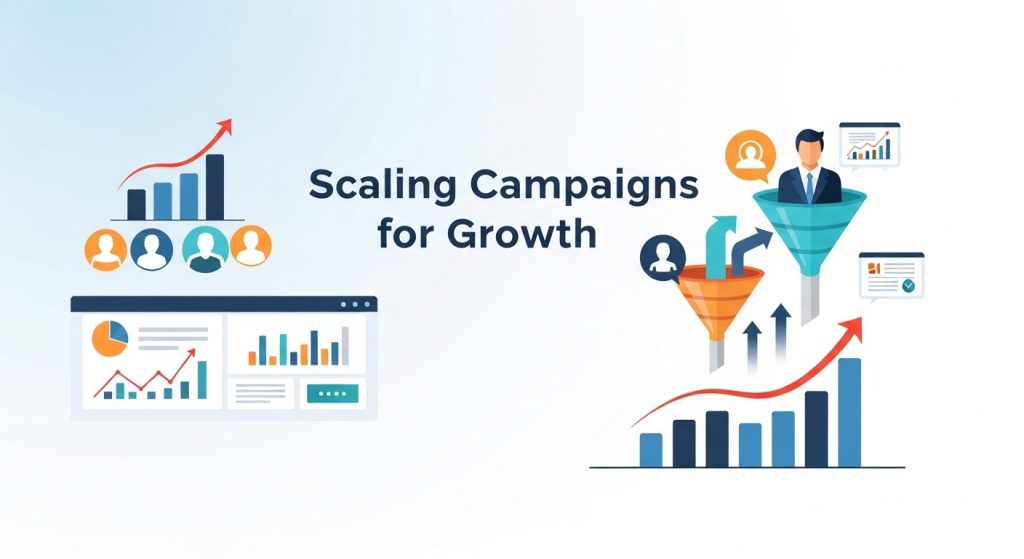
Scaling Campaigns for Growth
Scaling campaigns involves increasing budget, expanding audience targeting, and testing new ad formats while maintaining performance. When you Run Google Ads Campaign, monitor KPIs like CTR, ROAS, and conversion rate before scaling. Gradually increasing budget allows algorithms to adjust without losing efficiency. Expanding keywords and geographic targets broadens reach while retaining relevance. Scaling strategically ensures growth without sacrificing ROI, enabling long-term advertising success.
Conclusion
To Run Google Ads Campaign successfully in 2026, businesses must follow a structured, data-driven approach. From selecting campaign types, conducting keyword research, and creating compelling ads to optimizing landing pages, targeting audiences, and leveraging AI, every step matters. Continuous monitoring, testing, and scaling ensure campaigns achieve maximum ROI. Avoiding common mistakes and using automation effectively allows marketers to focus on strategy while campaigns perform efficiently. By mastering these steps, businesses can confidently drive traffic, conversions, and growth through Google Ads.
FAQs
Create a Google Ads account, choose a campaign type, set goals, conduct keyword research, and design ad copy.
Use Smart Bidding strategies like Target CPA or Target ROAS based on campaign goals and conversion data.
Use Google Ads reports and GA4 to monitor CTR, CPC, conversions, and ROAS for optimization.
Budget depends on goals, competition, and bid strategies. Start small, monitor performance, then scale gradually.
Optimize keywords, ad copy, landing pages, audience targeting, and use AI-powered Smart Bidding strategies.