Mastering Meta Ads is essential for businesses seeking high ROI on social media platforms. This Meta Ads Tutorial provides beginners with step-by-step guidance to create, manage, and optimize campaigns on Facebook and Instagram, which are part of Meta Platforms Inc. Understanding audience targeting, ad creatives, and budget allocation is crucial to driving conversions. Leading brands like Nike, Coca-Cola, and Samsung leverage Meta Ads for awareness and sales campaigns. This tutorial focuses on actionable insights, showing how to navigate Meta Ads Manager, set up campaigns, and track performance metrics to ensure your advertising efforts generate measurable results.

Why Meta Ads Matter
Utilizing Meta Ads effectively allows businesses to reach highly targeted audiences. Platforms under Meta Platforms Inc. provide extensive demographic, interest, and behavioral targeting, making campaigns efficient and cost-effective. A proper Meta Ads Tutorial helps beginners understand ad placement options such as Facebook Feed, Stories, and Instagram Explore. Companies like Nike have achieved increased engagement and conversions by combining precise targeting with compelling creatives. By focusing on measurable goals, such as clicks, conversions, or brand awareness, businesses can maximize ROI and minimize wasted ad spend while growing their digital presence.
Setting Up Meta Ads Manager
The first step in the Meta Ads Tutorial is creating a Meta Ads Manager account. This central hub allows you to create campaigns, manage budgets, and analyze performance metrics. Start by connecting your Facebook Page or Instagram Business Account. Adding a payment method and defining your business details ensures compliance and smooth operation. Experts at Hootsuite recommend verifying your account to avoid restrictions. Beginners should familiarize themselves with dashboards, navigation menus, and reporting tools. Proper setup forms the foundation for effective campaigns and sets the stage for optimizing Meta Ads Performance.
Defining Campaign Objectives
Choosing the right campaign objective is crucial in any Meta Ads Tutorial. Meta Ads provides objectives like Traffic, Engagement, Conversions, and Lead Generation. Brands like Coca-Cola and Samsung tailor objectives to specific marketing goals, such as promoting new products or increasing newsletter signups. Selecting a campaign objective influences ad placements, bidding strategy, and audience targeting. Beginners should align objectives with KPIs to ensure campaigns meet business goals. By focusing on measurable outcomes, marketers can optimize ads efficiently and make informed decisions to improve Meta Ads performance.
Audience Targeting
Audience targeting is a core aspect of Meta Ads Tutorial. Utilize Core Audiences to target users by demographics, location, and interests. Custom Audiences allow retargeting users who engaged with your brand, while Lookalike Audiences expand reach to users similar to your best customers. Companies like Nike use lookalike targeting to scale campaigns without losing relevance. Beginners should test multiple audience segments to find high-performing combinations. Accurate targeting increases engagement, CTR, and conversions while reducing wasted ad spend. Optimized audience strategies are essential for maximizing ROI in Meta Ads campaigns.
Choosing Ad Placements
Placement selection impacts Meta Ads Performance. Options include Feeds, Stories, Reels, Messenger, and Audience Network. Automated placements allow Meta’s AI to optimize delivery based on conversions, while manual placements offer control over where ads appear. Brands like Samsung experiment with multiple placements to determine which formats yield the best results. Beginners should begin with automated placements for simplicity, gradually testing manual options. Proper placement ensures ads are seen by the right users at the right time, improving engagement and lowering cost per conversion.
Budgeting and Bidding
Budgeting is critical in the Meta Ads Tutorial to maximize ROI. Meta Ads allow Daily or Lifetime Budgets, and automated bidding strategies like Lowest Cost or Cost Cap optimize spending. Businesses like Coca-Cola and Nike adjust budgets based on performance data to achieve cost-effective results. Beginners should allocate budgets according to campaign objectives and test different bidding strategies. Proper budget management ensures efficient delivery, reduces wasted spend, and improves campaign outcomes, helping advertisers maintain control while scaling campaigns effectively.
Crafting Ad Creatives
High-quality ad creatives enhance Meta Ads Performance. Use eye-catching visuals, engaging videos, and concise copy. Incorporate brand identity and clear CTAs to guide users. Dynamic Ads allow personalized product promotions, increasing relevance. Brands like Samsung use storytelling to create emotional connections, boosting engagement. Beginners should A/B test different creatives to identify top performers. Well-crafted creatives not only capture attention but also drive meaningful interactions and conversions, making them essential in any Meta Ads Tutorial.
Setting Up Conversion Tracking
Conversion tracking measures the effectiveness of your campaigns in this Meta Ads Tutorial. Install the Meta Pixel on your website to track actions like purchases, sign-ups, and leads. Brands such as Nike use pixel data to retarget users and optimize campaigns. Beginners should configure events aligned with campaign objectives to monitor KPIs effectively. Accurate tracking provides insights into user behavior, allowing marketers to refine targeting, creatives, and budgets. Conversion tracking is essential for data-driven decision-making and maximizing Meta Ads Performance.
Running A/B Tests
A/B testing improves Meta Ads Performance by identifying high-performing ads. Test variations in headlines, visuals, ad copy, and CTAs. Platforms like Meta Ads Manager support structured experiments. Brands like Coca-Cola implement continuous testing to refine campaigns and maximize conversions. Beginners should run one variable test at a time for accurate results. Analyzing test outcomes allows data-driven adjustments that enhance ad relevance, engagement, and ROI. Consistent testing is a key component of any Meta Ads Tutorial.
Optimizing Campaigns
Optimization is central to improving Meta Ads Performance. Monitor KPIs such as CTR, CPC, ROAS, and conversion rate. Adjust targeting, creatives, placements, and budgets based on performance data. Companies like Nike continuously optimize campaigns to reduce costs and increase engagement. Beginners should use Automated Rules and Dynamic Creative Optimization to simplify adjustments. Regular optimization ensures ads remain relevant, competitive, and profitable. By following a structured approach, marketers can consistently maximize ROI from their Meta Ads campaigns.
Utilizing Retargeting
Retargeting campaigns re-engage users who previously interacted with your brand. Custom Audiences and Dynamic Ads allow precise retargeting for higher conversions. Brands like Samsung have seen increased ROAS by focusing on warm leads. Beginners should segment users by behavior to deliver personalized content. Retargeting reduces wasted spend, improves CTR, and strengthens brand recall. Effective retargeting is a crucial component of Meta Ads Performance strategies.
Leveraging Look alike Audiences
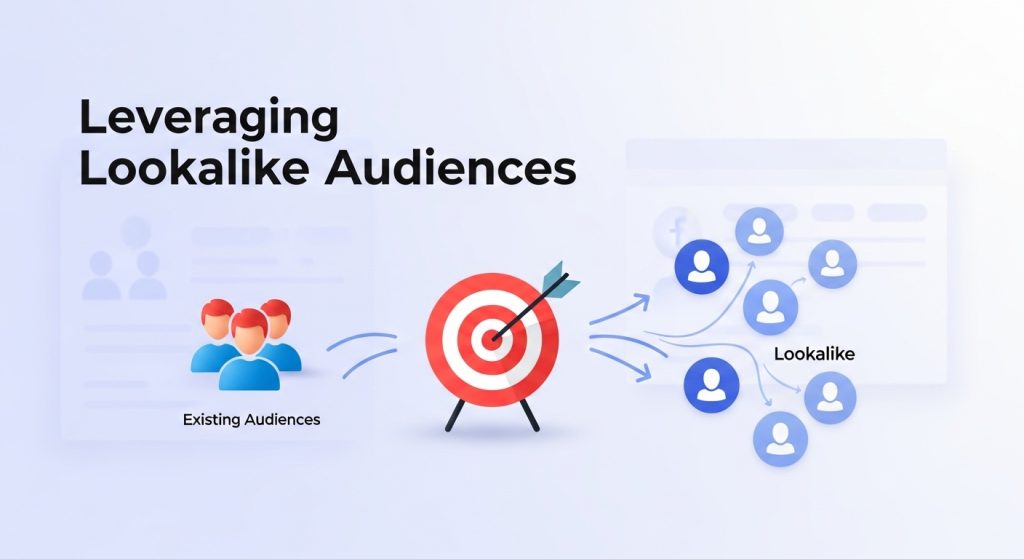
Lookalike audiences expand reach to new users similar to your existing customers. Using Meta Pixel data, platforms create segments with high conversion potential. Brands like Nike implement lookalike targeting to scale campaigns efficiently. Beginners should start with small percentages (1–2%) and gradually expand. This strategy increases engagement and conversions while maintaining cost-effectiveness. Lookalike targeting is an advanced tactic to boost Meta Ads Performance.
Measuring Campaign Success
Tracking campaign performance ensures you Improve Meta Ads Performance. Key metrics include CTR, CPC, ROAS, and conversion rate. Platforms like Meta Ads Manager and Google Analytics provide insights for actionable improvements. Companies like Coca-Cola and Samsung regularly review reports to optimize campaigns. Beginners should set benchmarks and adjust campaigns based on data. Accurate measurement enables data-driven decisions, maximizing ROI and campaign effectiveness across all Meta Ads campaigns.
Conclusion
Following this Meta Ads Tutorial equips beginners with the knowledge to create, manage, and optimize campaigns effectively. Key strategies include audience targeting, budget allocation, creative optimization, conversion tracking, retargeting, and lookalike audiences. By consistently testing and analyzing performance, marketers can Improve Meta Ads Performance, achieve higher ROI, and reduce wasted ad spend. This step-by-step guide ensures advertisers can confidently navigate Meta Ads Manager, make data-driven decisions, and scale campaigns efficiently in 2026.
FAQs
Create a Meta Ads Manager account, connect business pages, and follow campaign objectives.
It tracks conversions and user behavior, enabling retargeting and campaign optimization.
Use precise targeting, A/B testing, optimized creatives, and consistent monitoring.
They expand reach to new users similar to existing customers with high conversion potential.
Automated placements optimize delivery across Meta Platforms, while manual allows full control over placement.