
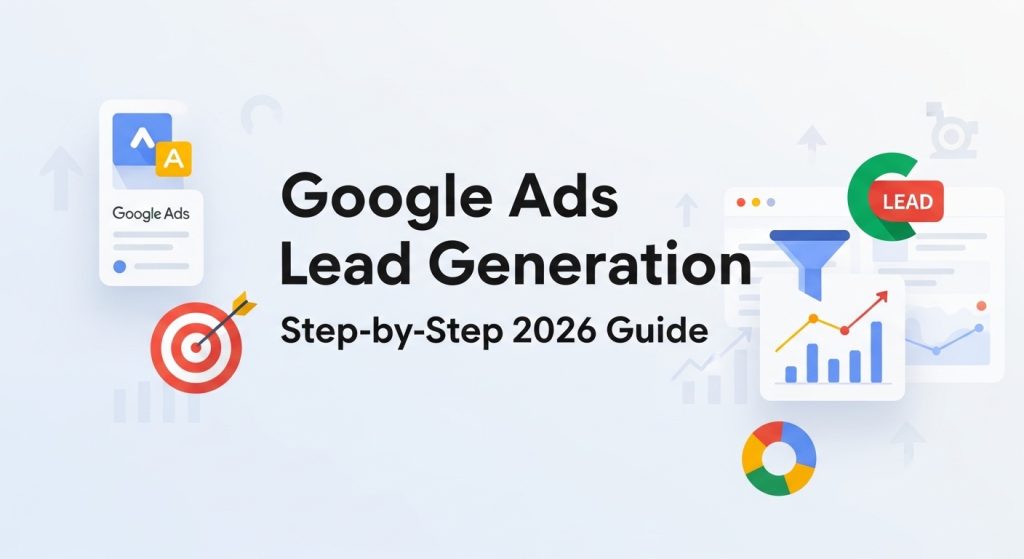
Google Ads Lead Generation is the foundation of turning online traffic into potential customers. It involves creating campaigns that attract, engage, and convert users interested in your products or services. Effective lead generation relies on targeting the right audience, crafting compelling ad copy, and utilizing optimized landing pages. In 2026, AI-driven tools and automation are essential for enhancing lead capture efficiency. By integrating Google Ads strategies with data analysis, businesses can streamline lead acquisition while maintaining cost efficiency. Companies leveraging advanced targeting and strategic bidding see improved ROI and consistent sales pipelines.
Understanding Lead Generation Goals
Defining clear goals is crucial for successful Google Ads Lead Generation. Goals may include acquiring emails, phone inquiries, webinar registrations, or product demo requests. Understanding these objectives allows advertisers to tailor campaigns, set bid strategies, and measure success accurately. For instance, a B2B software provider may prioritize demo requests, while an e-commerce store targets newsletter subscriptions. Experts suggest establishing KPIs like conversion rate, cost per lead, and lead quality metrics. Aligning campaigns with these goals ensures focused efforts, reduces wasted spend, and improves overall campaign performance.
Selecting the Right Campaign Type
Choosing the correct campaign type is a pivotal step in Google Ads Lead Generation. Search campaigns are ideal for capturing high-intent users actively searching for solutions. Display campaigns increase brand visibility and engage users across websites, while Video campaigns on YouTube nurture prospects with engaging visuals. Smart campaigns leverage AI to automatically optimize targeting and bidding. Experts recommend aligning campaign type with lead generation objectives. Combining multiple campaign types in a coordinated strategy can expand reach while focusing on conversion-driven results.
Keyword Research for Lead Generation
Keyword selection plays a critical role in Google Ads Lead Generation. High-intent keywords like “buy,” “signup,” or “get a quote” attract users ready to convert. Tools like Google Keyword Planner help identify search volume, competition, and CPC. Using a mix of exact, phrase, and broad match types ensures a balance between reach and relevance. Experts emphasize negative keywords to avoid irrelevant clicks and wasted budget. Continuous keyword analysis and optimization help maintain high-quality leads while lowering cost per acquisition, making campaigns more efficient and results-oriented.
Crafting Compelling Ad Copy
Engaging ad copy is essential for successful Google Ads Lead Generation. Ads should highlight clear benefits, include strong CTAs like “Sign Up Today” or “Get a Free Quote,” and reflect the search intent of the audience. Dynamic keyword insertion can improve relevance and click-through rates. Experts recommend A/B testing multiple ad variations to identify the highest-performing copy. Incorporating Google Ads extensions, such as site links or call extensions, can enhance visibility and drive more conversions. Well-crafted ads attract qualified leads, improve Quality Score, and reduce overall CPC.
Designing High-Converting Landing Pages
Optimized landing pages are pivotal for Google Ads Lead Generation success. Pages must align with ad copy, be mobile-friendly, and have fast loading times. Clear headlines, compelling CTAs, and concise forms reduce friction for users. Trust elements like testimonials, badges, or guarantees enhance credibility. Experts suggest tracking form abandonment and implementing retargeting campaigns to recapture potential leads. A seamless landing page experience improves conversion rates, ensuring more leads from the same ad spend.
Setting Up Conversion Tracking
Conversion tracking is crucial for evaluating Google Ads Lead Generation performance. Using Google Ads conversion tracking, businesses can measure actions such as form submissions, calls, or purchases. Integrating Google Tag Manager simplifies tracking setup. Accurate tracking enables data-driven optimizations, like adjusting bids for high-converting keywords and pausing underperforming campaigns. Experts emphasize regularly auditing tracking setups to ensure accurate attribution. Proper monitoring allows advertisers to refine strategies, maximize ROI, and capture high-quality leads consistently.
Utilizing Audience Targeting
Effective Google Ads Lead Generation relies heavily on precise audience targeting. Segment audiences based on demographics, interests, behavior, or past website engagement. Remarketing campaigns re-engage users who previously interacted with your website, increasing the likelihood of conversion. Custom and similar audiences help reach new potential leads resembling your best customers. Layering multiple targeting criteria ensures campaigns reach high-potential users. Experts recommend testing different audience combinations to identify top-performing segments and maximize lead quality.
Bid Strategy for Lead Generation
Choosing the right bid strategy optimizes your Google Ads Lead Generation campaigns. Options include Maximize Conversions, Target CPA, or Manual CPC, depending on goals and budget. For example, Target CPA ensures leads are acquired at a defined cost, while Maximize Conversions optimizes automatically to get the highest number of leads within your daily budget. Experts suggest monitoring bid performance closely and adjusting based on real-time results. A smart bid strategy balances cost efficiency and lead volume, helping businesses scale effectively.
Leveraging Ad Extensions
Ad extensions enhance Google Ads Lead Generation performance by providing additional information and interaction options. Call extensions encourage direct phone inquiries, while site link extensions guide users to specific landing pages. Structured snippets highlight products or services, improving relevance. Experts recommend testing different extensions and analyzing their impact on CTR and conversions. Effective use of ad extensions improves visibility, engagement, and lead quality, making campaigns more cost-efficient and results-driven.
Retargeting Strategies
Retargeting is a high-impact tactic for Google Ads Lead Generation. By showing ads to users who previously visited your website or interacted with campaigns, businesses can nurture potential leads. Dynamic retargeting displays personalized content based on user behavior, increasing engagement. Experts suggest setting frequency caps to avoid overexposure and optimize budgets. Combined with layered audience targeting, retargeting ensures qualified leads are more likely to convert, improving ROI and campaign effectiveness.
A/B Testing for Leads
A/B testing helps optimize Google Ads Lead Generation campaigns by comparing different ad variations, landing pages, or targeting strategies. Test headlines, CTAs, form lengths, and visual elements to identify what drives the most conversions. Experts recommend running tests for sufficient durations to gather statistically significant data. Continuous experimentation allows advertisers to refine campaigns, reduce CPC, and improve lead quality. A structured testing approach ensures campaigns evolve with audience behavior, staying efficient and results-oriented.
Optimizing for Mobile Users
Mobile optimization is crucial for Google Ads Lead Generation in 2026. Most users access content via smartphones, so ads and landing pages must be mobile-friendly. Ensure fast load times, responsive design, and concise forms to improve conversions. Experts recommend leveraging mobile-specific bid adjustments and tracking mobile performance separately. Optimized mobile experiences enhance engagement, reduce bounce rates, and increase the likelihood of capturing high-quality leads.
Tracking and Analyzing Results
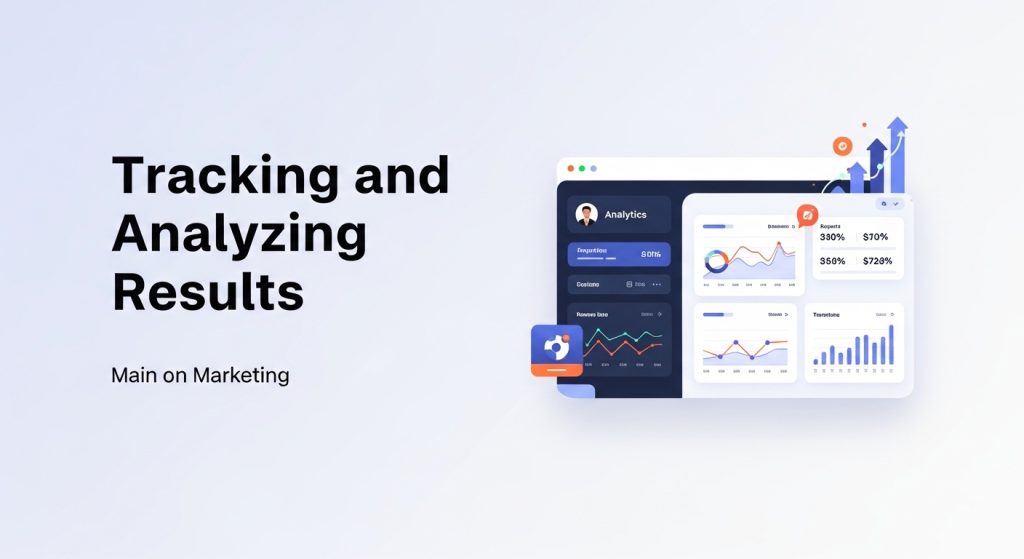
Regularly analyzing Google Ads Lead Generation campaigns is key to success. Track metrics like conversion rate, cost per lead, CTR, and ROAS. Utilize Google Analytics and Ads reports to identify high-performing campaigns, keywords, and audiences. Experts suggest adjusting bids, budgets, and targeting based on insights. Continuous monitoring ensures campaigns remain efficient, leads stay high-quality, and ROI improves over time. Data-driven decisions are critical for sustainable growth in lead generation campaigns.
Conclusion
Mastering Google Ads Lead Generation enables businesses to attract and convert potential customers effectively. By combining precise targeting, compelling ads, optimized landing pages, retargeting, and performance tracking, campaigns become highly efficient. Continuous optimization, A/B testing, and mobile readiness ensure leads remain high-quality and cost-effective. Implementing these strategies positions businesses for success in 2026, creating a consistent sales pipeline while maximizing ROI.
FAQs
A strategy to acquire potential customers by capturing leads through ads, forms, calls, or sign-ups.
Use precise targeting, compelling ad copy, optimized landing pages, and remarketing campaigns.
Target CPA or Maximize Conversions are most effective depending on campaign goals.
Implement Google Ads conversion tracking and analyze metrics like conversion rate and CPL.
Crucial—mobile-friendly ads and landing pages increase conversions and reduce bounce rates.