A strong Google Ads Budget Strategy is the cornerstone of successful digital marketing campaigns. Without a carefully planned budget, businesses risk overspending on low-performing campaigns or missing high-converting opportunities. Platforms like Google Ads, YouTube Ads, and Display Network provide flexible budgeting options that allow advertisers to control daily and monthly spend. Understanding how to allocate funds across campaigns, ad groups, and keywords is critical for maximizing ROI. Whether targeting search ads, display ads, or video campaigns, businesses like Procter & Gamble and Capgemini rely on strategic budget planning to drive measurable results. This guide walks beginners and marketers through step-by-step strategies to manage budgets effectively in 2026.
Importance of Budget Planning
Budget planning in Google Ads Marketing ensures that ad spend aligns with campaign goals. Proper allocation prevents wasted clicks, reduces cost-per-acquisition (CPA), and improves overall ROI. High-performing businesses like Tata and L’Oreal emphasize the importance of balancing spending between high-intent search campaigns and brand awareness campaigns. Additionally, budget planning enables businesses to test ad variations, adjust bids, and optimize campaigns based on performance metrics. Understanding where your money goes helps beginners identify profitable campaigns and eliminate underperforming ads, making a Google Ads Budget Strategy essential for sustainable growth.
Defining Campaign Objectives
Before allocating any funds, clearly define your campaign objectives. Are you focusing on lead generation, website traffic, or product sales? Each objective requires a different Google Ads Budget Strategy. For instance, awareness campaigns may require broader targeting and higher impressions, while conversion-focused campaigns should prioritize high-intent keywords. Aligning budget with goals ensures effective allocation and measurable ROI. Tools like Google Ads Analytics help track performance against objectives. Businesses like Danone leverage objective-driven budget allocation to optimize campaigns and reduce wasted spend, giving beginners a structured approach to campaign funding.
Allocating Budget by Campaign Type
Different campaigns require tailored budgeting. Search campaigns usually demand higher budgets for competitive keywords, while Display campaigns may need lower allocations but broader reach. Video campaigns, like YouTube ads, often require a separate allocation due to production costs and engagement metrics. Segmenting budgets by campaign type allows marketers to monitor performance and adjust spend efficiently. Beginners should analyze historical data or competitor benchmarks to make informed allocations. Companies like Petrobras use this segmentation to balance visibility and conversion potential, ensuring their Google Ads Budget Strategy maximizes ROI without overspending.
Keyword-Based Budgeting
Allocating budget based on keyword performance is critical in Google Ads Marketing. High-intent, long-tail keywords often yield better conversions at lower CPCs, while generic, high-volume keywords may drain budgets without delivering ROI. Implementing negative keywords ensures wasted clicks are minimized. Tools like Google Keyword Planner and competitor analysis platforms such as SEMRush and Ahrefs can help prioritize high-performing keywords. Proper keyword budgeting allows businesses to focus on profitable search terms, improving campaign efficiency. Beginners who implement keyword-based allocation often see significant cost savings while maintaining strong lead or sales performance.
Using Automated Bidding Strategies
Automated bidding simplifies budget management in Google Ads Marketing. Strategies like Maximize Conversions, Target CPA, and Target ROAS automatically adjust bids to meet campaign goals. Beginners can save time while optimizing spend based on historical performance and competition. Automated bidding works well when combined with accurate conversion tracking and goal definitions. Companies like Capgemini use automated strategies to scale campaigns efficiently while controlling costs. Implementing automation reduces manual effort, ensures consistent budget use, and allows marketers to focus on creative optimization and targeting improvements.
Daily vs. Monthly Budgets
Deciding between daily and monthly budgets is essential for effective Google Ads Budget Strategy. Daily budgets provide flexibility and allow Google to optimize ad delivery throughout the day. Monthly budgets help plan overall spend and prevent overspending across campaigns. Beginners should set realistic daily budgets based on goals and historical performance. Monitoring delivery patterns ensures funds aren’t exhausted too quickly. Leading businesses like Procter & Gamble combine both approaches for granular control and long-term planning, maximizing ROI while avoiding unplanned expenses.
Monitoring and Adjusting Performance
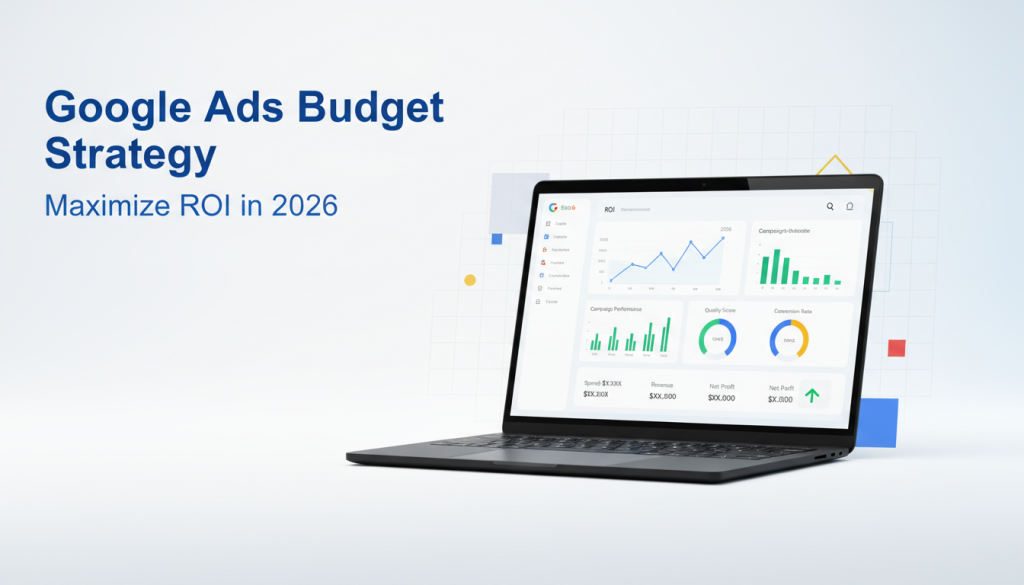
Continuous monitoring is key to a successful Google Ads Budget Strategy. Track KPIs like CTR, CPC, CPA, and conversion rate. Use Google Ads Dashboard and Google Analytics for in-depth analysis. Adjust budget allocation for high-performing campaigns and reduce spend on low-performing ads. Competitor benchmarking helps identify areas for improvement. For example, Danone and Tata frequently analyze campaign results to refine spending. Beginners benefit from reviewing performance weekly or bi-weekly, ensuring their budget strategy adapts to changing trends and market conditions.
Seasonal Budget Adjustments
Adjusting budgets seasonally allows businesses to capture peak demand periods. For instance, e-commerce brands increase spend during holidays, while service-based businesses focus on local demand spikes. Implementing a flexible Google Ads Budget Strategy ensures that high-potential periods are maximized. Monitor trends using historical data, Google Trends, and competitor analysis. Brands like L’Oreal leverage seasonal adjustments to improve conversions and maintain consistent ROI. Beginners should plan seasonal campaigns in advance and allocate budgets accordingly to take advantage of market fluctuations.
Budget Allocation for Remarketing
Remarketing campaigns target users who previously interacted with your brand. Allocating part of your budget to Google Ads remarketing improves ROI by converting warm leads. Display ads, search ads, and YouTube retargeting campaigns require smaller budgets but often deliver higher conversion rates. Tools like Google Ads Audience Manager allow precise segmentation and budget allocation. Businesses like Petrobras and Capgemini use remarketing to complement primary campaigns, ensuring budget efficiency and maximizing ROI on engaged audiences.
Testing and Experimentation
Testing ad formats, copy, and targeting is crucial for refining a Google Ads Budget Strategy. A/B testing helps identify high-performing ads and reduces wasted spend. Experiment with headlines, CTAs, keywords, and audience segments. Platforms like Google Ads Editor enable bulk testing and performance tracking. Companies like Procter & Gamble implement rigorous testing protocols to optimize budgets and improve ROI. Beginners should allocate a small portion of the budget for experimentation, balancing learning with cost control.
Scaling High-Performing Campaigns
Scaling campaigns is essential to maximize ROI. Increase budgets for campaigns that consistently perform well in Google Ads Marketing. Expand targeting to new regions, audiences, or keywords. Implement automated bidding for high-volume campaigns to maintain efficiency. Tools like SEMRush and Google Ads Keyword Planner help identify growth opportunities. Companies like Tata and Danone carefully scale successful campaigns while monitoring performance to prevent budget waste. Beginners should scale gradually, ensuring each increase maintains ROI and campaign stability.
Avoiding Common Budget Mistakes
Common mistakes include overspending on broad keywords, neglecting negative keywords, and ignoring performance data. Not tracking conversions or adjusting bids regularly can waste budget. A structured Google Ads Budget Strategy includes proper keyword research, regular monitoring, and performance-based adjustments. Businesses like L’Oreal avoid errors by using data-driven strategies. Beginners should focus on high-intent keywords, monitor campaigns, and implement continuous optimization to maximize ROI. Avoiding mistakes early ensures campaigns remain profitable and sustainable.
Tools for Efficient Budget Management
Utilize tools like Google Ads Editor, Google Analytics, SEMRush, and Ahrefs for efficient budget management. These tools provide insights on performance, competitor benchmarking, and keyword efficiency. Setting alerts and reports ensures timely adjustments. For example, Petrobras leverages data visualization to track campaigns, while Capgemini integrates analytics for multi-channel reporting. Beginners can automate reporting, analyze ROI, and adjust spend dynamically using these tools, ensuring their Google Ads Budget Strategy is both efficient and effective.
Conclusion
A well-planned Google Ads Budget Strategy is essential for maximizing ROI in 2026. By setting clear objectives, allocating budgets strategically, leveraging automated bidding, monitoring performance, and continuously optimizing campaigns, businesses of all sizes can achieve measurable results. Incorporating seasonal adjustments, remarketing, and scalable campaigns further enhances profitability. Beginners should implement best practices, avoid common mistakes, and use analytical tools to refine budgets over time. With this approach, companies like Procter & Gamble, Capgemini, and Danone showcase the power of strategic budgeting to drive sustained success in digital advertising.
FAQs
Allocate funds based on campaign goals, keyword performance, and historical data while using automated bidding.
Monitor conversions, optimize ad groups, implement remarketing, and test campaigns regularly.
Yes, peak demand periods require increased spend to capture high-intent traffic.
Google Ads Editor, Google Analytics, SEMRush, and Ahrefs are essential for budget insights.
Start small, test campaigns, monitor performance, and scale gradually to maximize ROI.