Digital marketing continues evolving, and Facebook Ads Lead Generation remains one of the strongest methods for businesses seeking predictable growth. In 2026, automation, AI targeting, and first-party data strategies have reshaped how advertisers capture leads. Platforms like Meta Ads Manager, Instagram Ads, and Messenger marketing now work together within the Meta ecosystem to improve conversion accuracy.Unlike older marketing channels, modern Facebook advertising allows businesses to connect directly with users already showing purchase intent. Advanced machine learning helps advertisers reach audiences based on behavior instead of guesswork. As privacy regulations expand, tools like Meta Advantage+ Campaigns rely heavily on AI optimization rather than manual targeting.Therefore, businesses focusing on structured funnels and strong creatives gain better results. Successful marketers no longer rely only on traffic campaigns; instead, they prioritize optimized lead systems designed for long-term customer acquisition.
Why Businesses Prefer Facebook Leads
Businesses worldwide continue investing in Facebook Ads Lead Generation because it delivers measurable outcomes at scalable costs. Compared to organic marketing, paid ads provide immediate exposure and consistent data insights. Companies using Meta Pixel tracking can analyze user interactions and refine campaigns faster.Additionally, Facebook’s massive user base enables local and global targeting simultaneously. Small startups benefit from affordable budgets, while enterprises leverage automation for thousands of leads monthly. Integration with tools like CRM software, HubSpot, and Salesforce allows seamless follow-up workflows.Another major advantage is built-in lead forms. Users submit information without leaving the platform, reducing friction and improving conversion rates. Consequently, marketers see higher form completion compared to traditional landing pages.Because results are trackable and optimization is continuous, Facebook remains one of the most reliable advertising platforms for lead acquisition.
Understanding Facebook Lead Generation
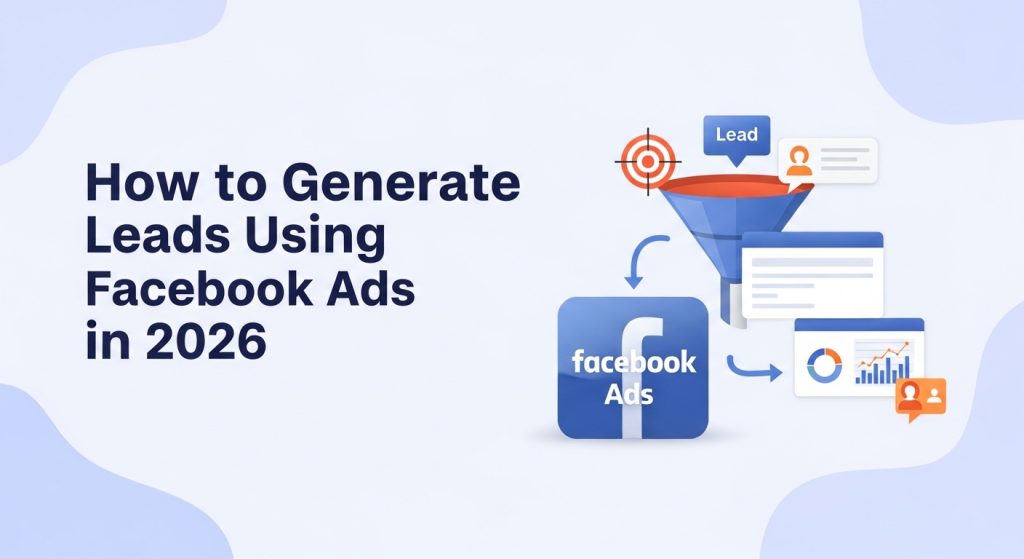
At its core, Facebook Ads Lead Generation focuses on capturing user information such as email addresses, phone numbers, or business inquiries through paid advertising campaigns. Instead of selling immediately, businesses nurture potential customers through structured marketing funnels.Lead generation ads operate through Facebook Lead Ads, landing pages, or conversion campaigns optimized via Meta Ads Manager. When users interact with ads, Facebook auto-fills form details using profile information, simplifying the signup process.
Marketers categorize leads into awareness, consideration, and decision stages. Each stage requires different messaging strategies. For instance, educational content works well during awareness, while discounts or consultations perform better during decision stages.Moreover, businesses combine retargeting campaigns with lead magnets like ebooks, webinars, or free trials. This strategy ensures prospects remain engaged until conversion occurs.Understanding this foundation is essential before setting up any campaign structure.
Campaign Setup Fundamentals
Before launching campaigns, advertisers must configure the technical foundation properly. Effective Facebook Ads Lead Generation begins with account setup inside Meta Business Suite and Meta Ads Manager.First, connect your Facebook Page and Instagram account to maintain cross-platform visibility. Next, install the Meta Pixel on your website to track visitor behavior, conversions, and user journeys. Without accurate tracking, optimization becomes difficult.Campaign objectives should align with business goals. Selecting the “Leads” objective allows Meta’s algorithm to optimize delivery toward users most likely to submit forms. Budget allocation also plays a key role; daily budgets help beginners test performance gradually.Furthermore, businesses should define geographic targeting, audience interests, and conversion events clearly. Proper campaign structure ensures data clarity, which later improves AI learning and lowers cost per lead.
Audience Targeting Strategies
Targeting remains the backbone of successful Facebook Ads Lead Generation campaigns. While automation has improved, strategic audience planning still impacts performance significantly.Advertisers typically combine Custom Audiences, Lookalike Audiences, and interest-based targeting. Custom audiences include website visitors, past customers, and email subscribers tracked through Meta Pixel integration. Meanwhile, Lookalike Audiences allow Meta’s AI to identify new users similar to existing customers.Behavioral targeting also helps reach users based on online activities, purchase patterns, or engagement history. However, modern campaigns increasingly rely on broader targeting combined with strong creatives.Testing multiple audience segments provides valuable performance insights. Instead of limiting reach too early, marketers should allow Meta’s machine learning system time to optimize delivery automatically.Balanced targeting strategies reduce ad fatigue while improving lead quality over time.
Creating High-Converting Ad Creatives
Creative quality often determines the success of Facebook Ads Lead Generation campaigns. Even the best targeting fails without compelling visuals and messaging.Winning ads usually include clear headlines, engaging visuals, and strong value propositions. Short-form videos,carousel ads, and testimonial content perform exceptionally well on Facebook and Instagram Ads placements.Successful marketers follow the “Hook–Value–Action” framework. First, grab attention within three seconds. Then present a solution to a specific problem. Finally, encourage users to complete the lead form with a clear call to action.User-generated content has become increasingly powerful because audiences trust authentic experiences more than polished advertisements. Additionally, mobile-friendly designs improve engagement since most users browse via smartphones.Continuous creative testing ensures campaigns remain fresh and competitive.
Choosing the Right Lead Form Type
Selecting the correct form format directly impacts Facebook Ads Lead Generation results. Facebook offers multiple lead form types designed for different marketing goals.Higher intent forms include review screens that confirm user details before submission. Although they reduce volume slightly, they significantly improve lead quality. Meanwhile, more volume-focused forms generate large numbers of prospects quickly.Businesses offering consultations, services, or B2B solutions benefit from custom questions that qualify leads instantly. Integrating conditional questions helps filter serious prospects from casual inquiries.Additionally, syncing forms with tools like Zapier, HubSpot, or Salesforce CRM ensures instant follow-up automation. Quick response times dramatically increase conversion potential.Therefore, marketers should match form complexity with business objectives rather than prioritizing quantity alone.
Budgeting and Bidding Strategies
Smart budgeting helps maximize return on investment in Facebook Ads Lead Generation campaigns. Beginners often overspend without allowing Meta’s algorithm sufficient learning time.Starting with moderate daily budgets allows advertisers to test audiences and creatives safely. Campaign Budget Optimization (CBO) enables Meta to distribute spending automatically toward best-performing ad sets.Bidding strategies also influence performance. Automatic bidding works well for most advertisers because Meta optimizes delivery based on historical data. However, experienced marketers sometimes apply cost caps to control lead expenses.Scaling campaigns gradually prevents performance drops. Increasing budgets by small percentages maintains stability while allowing algorithms to adapt efficiently.Effective budget management ensures sustainable lead growth rather than short-term spikes.
Landing Pages vs Lead Ads
Marketers frequently debate whether to use landing pages or native forms for Facebook Ads Lead Generation. Both approaches offer unique advantages depending on campaign goals.Facebook Lead Ads simplify conversions by keeping users inside the platform. Faster form completion leads to higher conversion rates, especially on mobile devices. Conversely, dedicated landing pages provide deeper storytelling and brand authority.Businesses selling high-ticket services often prefer landing pages integrated with tools like ClickFunnels or WordPress builders. These pages allow detailed explanations, testimonials, and trust signals.Many successful advertisers combine both strategies. Lead ads capture initial interest, while retargeting campaigns direct users to optimized landing pages for final conversion.Testing both formats helps determine which performs better for specific audiences.
Retargeting for Better Lead Quality
Retargeting campaigns significantly improve Facebook Ads Lead Generation performance by focusing on users already familiar with your brand.Using Meta Pixel, advertisers track visitors who viewed products, engaged with posts, or clicked previous ads. These warm audiences usually convert at lower costs compared to cold traffic.Sequential messaging strengthens trust. For example, initial ads provide value-based content, while follow-up ads offer consultations, discounts, or limited-time offers. Video view retargeting also works effectively because engaged viewers show clear interest.Additionally, excluding existing leads prevents wasted ad spend. Proper audience segmentation ensures ads remain relevant and personalized.Retargeting transforms casual interest into qualified leads and increases overall campaign profitability.
Automation and AI Optimization
Artificial intelligence plays a massive role in modern Facebook Ads Lead Generation strategies. Meta’s automation tools now handle many optimization tasks previously managed manually.Features like Meta Advantage+, automated placements, and dynamic creatives allow algorithms to test multiple variations simultaneously. As data accumulates, the system identifies winning combinations faster than manual testing.Predictive analytics helps forecast conversion probability, enabling smarter ad delivery decisions. Advertisers who trust automation often achieve better scalability and efficiency.Nevertheless, human strategy remains essential. Marketers must still analyze performance metrics, adjust messaging, and refine funnels.Combining AI automation with strategic oversight produces sustainable campaign growth.
Tracking and Measuring Performance
Accurate tracking ensures long-term success in Facebook Ads Lead Generation. Without reliable data, optimization becomes guesswork.Key metrics include Cost Per Lead (CPL), click-through rate, conversion rate, and lead quality score. Tools like Meta Ads Manager, Google Analytics, and CRM dashboards provide valuable insights into campaign performance.Marketers should also analyze funnel behavior after lead submission. High lead volume means little if follow-up conversions remain low. Monitoring sales outcomes helps refine targeting and creative strategies.Regular reporting identifies trends, allowing advertisers to scale successful campaigns confidently. Continuous measurement transforms advertising from experimentation into predictable growth.
Common Mistakes to Avoid
Many advertisers struggle with Facebook Ads Lead Generation because they repeat avoidable mistakes. One common issue involves targeting audiences too narrowly, limiting algorithm learning.Another mistake is ignoring creative testing. Running one ad for long periods leads to audience fatigue and declining performance. Poor follow-up systems also waste valuable leads.Additionally, businesses sometimes focus only on lead quantity rather than quality. Without CRM integration or nurturing sequences, potential customers quickly lose interest.Avoiding these errors requires consistent testing, data analysis, and customer-focused messaging. Successful advertisers treat campaigns as evolving systems rather than one-time setups.
Scaling Lead Generation Campaigns
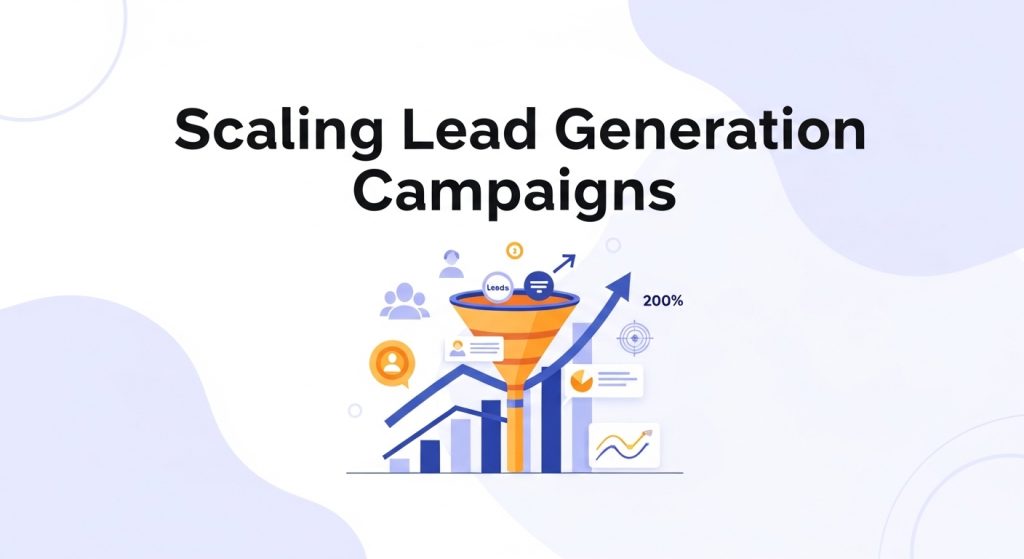
Scaling represents the ultimate goal of Facebook Ads Lead Generation strategies. Once profitable campaigns emerge, advertisers must expand carefully to maintain performance.Increasing budgets gradually protects campaign stability. Expanding audiences through new Lookalike segments introduces fresh prospects without disrupting algorithm learning.Creative refresh cycles keep ads engaging while preventing fatigue. Additionally, businesses often expand into Instagram Ads, Messenger Ads, and Reels placements for broader reach.Automation tools help manage higher spending levels efficiently. However, consistent performance monitoring remains essential during scaling phases.When executed strategically, scaling transforms Facebook advertising into a reliable lead acquisition engine capable of supporting long-term business growth.
Conclusion
In 2026, Facebook Ads Lead Generation continues to dominate digital marketing due to its advanced targeting, AI automation, and scalable performance capabilities. Businesses that combine strong creatives, optimized audiences, smart budgeting, and automation tools achieve consistent results.Rather than chasing quick wins, successful marketers build structured funnels supported by tracking systems and retargeting strategies. By embracing innovation within the Meta advertising ecosystem, companies can attract qualified prospects, nurture relationships, and convert leads into loyal customers.The future belongs to advertisers who balance data-driven decisions with creative storytelling and customer-focused marketing experiences.
FAQs
Facebook Ads Lead Generation is a marketing strategy that collects customer information through Facebook advertising campaigns using lead forms or landing pages.
Yes. AI optimization, automation tools, and improved targeting make Facebook lead ads highly effective for businesses of all sizes.
Beginners can start with $5–$20 daily budgets and scale gradually after identifying profitable campaigns.
Service businesses, real estate agencies, coaches, SaaS companies, and ecommerce brands see strong performance from Facebook lead campaigns.
Use higher intent forms, retarget warm audiences, integrate CRM automation, and provide clear value propositions.