Google Ads is one of the most powerful tools for businesses to reach the right audience online. Understanding the Types of Google Ads helps beginners select the most effective campaigns for their goals. Google Ads allows advertisers to display ads on Google Display Network, YouTube, Google Search, Gmail, and other partner sites. By targeting keywords, locations, devices, and audiences, businesses can increase traffic, generate leads, and boost sales. This guide will walk you through every ad type, their benefits, costs, and best use cases, so you can make informed decisions.
Why Businesses Use Google Ads
Businesses leverage Google Ads because it provides precise targeting and measurable outcomes. By using the Types of Google Ads, companies can reach potential customers actively searching for products or services like theirs. Advantages include budget control, detailed reporting, and the ability to optimize campaigns based on real-time data. From startups to large enterprises like Google, advertisers rely on Google Ads to drive qualified traffic, generate leads, and increase conversions. Its flexibility and reach make it an essential tool for anyone looking to grow their online presence efficiently and effectively.
How Many Types of Google Ads Exist?
Google Ads offers a variety of campaigns to suit different business objectives. There are 9 main Types of Google Ads: Search, Display, Shopping, Video, App, Discovery, Local, Local Services, Performance Max, and Smart Ads. Within these campaigns, advertisers can select from multiple ad formats, such as responsive or call-only ads. Each type serves unique purposes, from driving traffic to promoting brand awareness. Using the right ad type ensures your marketing efforts align with audience intent, maximizing ROI. Understanding these distinctions is critical for beginners to create effective campaigns.
Search Ads
Search Ads appear on the Google SERP when users enter relevant keywords. They are text-based and highly targeted, ensuring your ads reach users at the exact moment of interest. Subtypes include Responsive Search Ads, Call-Only Ads, and Dynamic Search Ads, which adapt headlines and descriptions to match search queries. Advantages include high-intent traffic and measurable results. Setting up a campaign requires keyword research, bidding strategy, and ad creation. Although competitive, Search Ads remain the cornerstone of Google Ads, offering consistent visibility for products and services.
Display Ads
Display Ads show on the Google Display Network and partner websites. These visual ads can be images, banners, or rich media, perfect for brand awareness and retargeting. Display Ads allow targeting based on demographics, interests, and browsing behavior, making them highly flexible. They complement Search Ads by reaching users earlier in the buying journey. With options for automated campaigns, advertisers can save time while reaching a broader audience. Types of Google Ads like Display campaigns are particularly effective for businesses seeking to expand market visibility beyond search results.
Video Ads
Video Ads appear on YouTube and partner video networks. Formats include skippable in-stream, non-skippable in-stream, bumper, outstream, and masthead ads. Video campaigns are ideal for storytelling, product demonstrations, and engagement. By combining visuals with sound, these ads capture attention and build brand recognition. Advertisers can target audiences by interests, demographics, or past behavior. Using Types of Google Ads, businesses can measure views, watch time, and conversions, optimizing campaigns for maximum ROI while connecting with highly engaged viewers.
Shopping Ads
Shopping Ads promote physical products through Google Merchant Center. These ads include product images, pricing, and store information directly in Google Search and Shopping tabs. They are highly effective for eCommerce businesses because they show visually appealing listings to purchase-ready users. With proper product feeds and optimization, advertisers can improve visibility and conversion rates. Shopping Ads automatically match search queries to product listings, ensuring relevance. Leveraging this Type of Google Ads helps sellers drive qualified traffic and increase online sales efficiently.
App Ads
App Ads are designed to promote apps across the Google Play Store, Google Search, YouTube, and Discover feeds. Campaigns can focus on app installs or user engagement. Ad formats are automated, dynamically optimizing creative elements and placements for maximum reach. Using Types of Google Ads, businesses can expand their user base and improve retention with minimal manual effort. App Ads are particularly useful for developers launching new apps or promoting updates to existing apps, ensuring the product reaches a target audience efficiently.
Discovery Ads
Discovery Ads appear on Google Discover, Gmail, and YouTube feeds. They are visually engaging and designed to attract users who are likely to take action. Discovery campaigns use machine learning to deliver the right content to purchase-ready audiences. Advantages include automated optimization, broad reach, and high engagement rates. This Type of Google Ads is ideal for promoting new products, campaigns, or visually rich content to audiences exploring their interests, providing an effective way to capture attention before competitors.
Local & Local Services Ads
Local Ads appear on Google Maps and SERP, targeting users based on location. Local Services Ads include Google Guarantee and Google Screened options, enhancing trust for local businesses. These campaigns help promote services like plumbing, home repair, or tutoring to nearby customers actively searching for solutions. Advertisers can measure leads, calls, and bookings. Using Types of Google Ads focused on local targeting ensures businesses reach nearby customers efficiently, improving conversions and ROI while connecting with the community.
Performance Max Ads
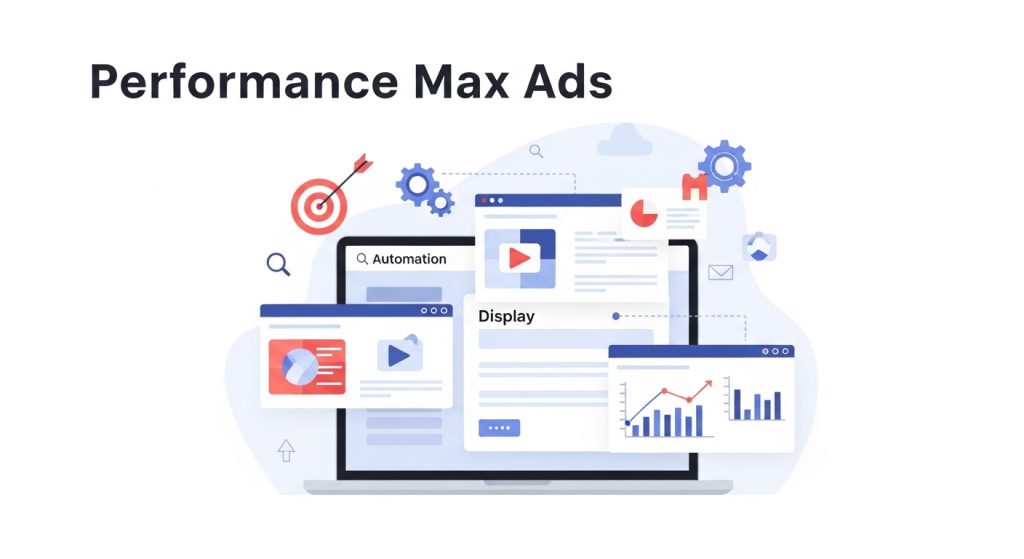
Performance Max Ads run across all Google channels automatically. Using AI, these campaigns optimize placements on search, display, shopping, YouTube, and Discover feeds. Advertisers provide creative assets, goals, and audience signals, and Google adjusts bids and placements for maximum performance. This Type of Google Ads is excellent for businesses seeking cross-channel reach and automation, saving time while driving conversions. It simplifies campaign management while leveraging Google’s machine learning to target the most relevant audiences across multiple platforms.
Smart Ads
Smart Ads prioritize campaign goals rather than specific channels. Using automation, they optimize ad delivery for clicks, leads, or conversions. Smart campaigns are ideal for small businesses or beginners with limited time. They allow advertisers to set a budget and provide creative assets while Google handles targeting and bidding. With Types of Google Ads, Smart Ads offer a simplified yet effective solution to reach potential customers without complex campaign setup or constant adjustments.
Cost & Bidding Strategies
Costs for Google Ads depend on competition, industry, and keyword selection. Common bidding strategies include CPC (Cost Per Click), CPM (Cost Per 1,000 impressions), and CPA (Cost Per Acquisition). Advertisers can set daily budgets, adjust bids, and use automated smart bidding for efficiency. Using Types of Google Ads, beginners can start small, test campaigns, and scale investment based on performance. Careful budget planning ensures cost-effective campaigns while maximizing ROI.
Tracking Performance & Metrics
Tracking performance is critical for success with Types of Google Ads. Key metrics include CTR (Click-Through Rate), CPC, conversion rate, impressions, and ROI. Google Ads provides detailed reporting dashboards and integrates with Google Analytics for deeper insights. Monitoring these metrics helps advertisers identify high-performing campaigns, optimize ad creative, and allocate budget effectively. Regular analysis ensures campaigns remain relevant and profitable, enabling data-driven decisions.
Common Mistakes to Avoid
Beginners often make mistakes with Types of Google Ads, such as selecting wrong keywords, ignoring Quality Score, or creating weak ad copy. Overbidding or under-targeting audiences can also reduce ROI. To avoid errors, start small, conduct keyword research, and optimize landing pages for relevance. Use automated tools like Zapier to manage repetitive tasks. Learning from mistakes and adjusting campaigns ensures consistent improvement and better results over time.
FAQs
The main Types of Google Ads include Search Ads, Display Ads, Video Ads, Shopping Ads, App Ads, Discovery Ads, Local Ads, Local Services Ads, Performance Max Ads, and Smart Ads. Each type serves different business goals and target audiences.
For beginners, Search Ads and Smart Ads are the easiest to start with. They require less setup and use automated targeting, making it simple to reach potential customers without complex campaign management.
Costs vary depending on competition, industry, and bidding strategy. Most Google Ads use CPC (Cost Per Click), so you only pay when someone clicks your ad. Daily budget limits allow flexibility for all businesses.
Using the right Types of Google Ads, businesses can drive targeted traffic, generate leads, increase sales, and improve brand awareness. Ads appear when users are searching for relevant products or services, maximizing conversion potential.
Beginners can manage campaigns themselves using Google Ads’ automated tools. However, hiring a Google Ads specialist can help optimize campaigns, improve ROI, and reduce wasted budget.