In digital marketing, Cost Per Lead (CPL) is a critical metric for evaluating advertising efficiency. For businesses running campaigns on Facebook and Instagram, understanding how to Reduce Facebook Ads Cost Per Lead ensures sustainable ROI.CPL measures the cost incurred to generate a single lead. Service-based companies, eCommerce stores, and local businesses often face high lead costs due to competition and niche targeting. Facebook’s auction-based system determines pricing, meaning both creative quality and audience relevance influence the final CPL. By analyzing CPL regularly, businesses identify opportunities for optimization. Implementing a strategic Facebook Ads Cost Per Lead plan can lower advertising expenses while improving lead quality and conversion rates. Ultimately, controlling CPL allows brands to scale campaigns predictably.
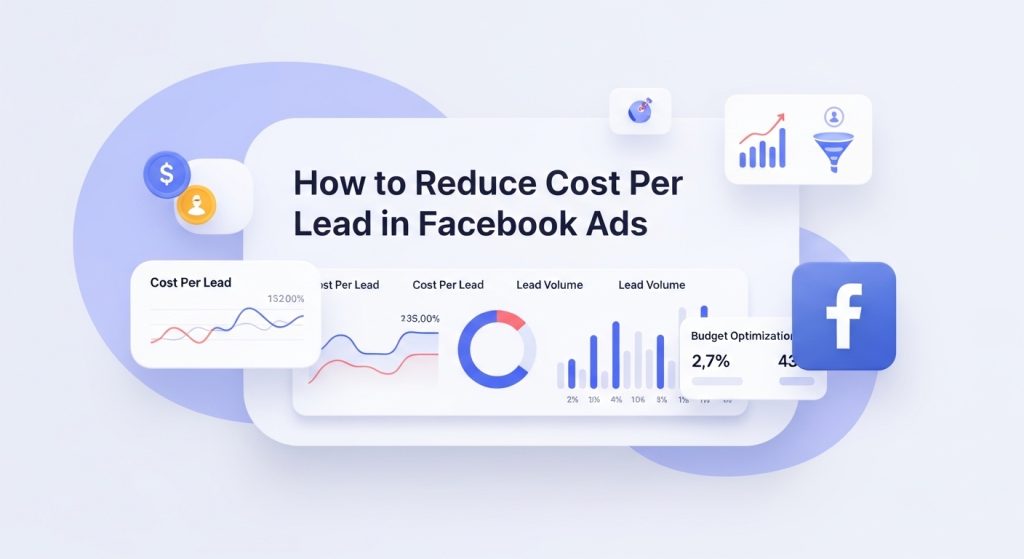
Why CPL Matters for Businesses
High CPL affects both short-term profitability and long-term scalability. When campaigns spend more per lead, businesses face reduced margins and slower growth. A strong focus on Reduce Facebook Ads Cost Per Lead ensures campaigns remain cost-effective.Facebook Ads allow precise targeting, but poor execution can lead to wasted budget. By tracking CPL alongside lead quality, advertisers determine which audiences and creatives perform best.Moreover, lower CPL improves customer acquisition efficiency, enabling businesses to reinvest savings into scaling campaigns. Companies focusing on lead optimization gain competitive advantages by achieving higher return on investment.Tracking and optimizing CPL becomes especially vital for startups, SMEs, and service providers. With a deliberate Reduce Facebook Ads Cost Per Lead strategy, brands balance cost control and high-quality lead generation.
Factors Influencing Facebook Ad CPL
Several variables affect Facebook Ads Cost Per Lead. Awareness of these factors helps advertisers identify optimization opportunities.
Audience Targeting
Highly competitive audiences raise CPL. Niche targeting may cost more per lead but often produces higher-quality prospects.
Ad Relevance and Quality
Facebook favors engaging ads with strong visuals, headlines, and user interaction. Poor-quality creatives increase CPL.Other factors include campaign objectives, ad placement, and bidding strategy. Seasonality, such as holidays or shopping events, can temporarily increase costs. By understanding these influences, businesses can implement tactics to Reduce Facebook Ads Cost Per Lead and improve efficiency.
Setting Clear Campaign Goals
A well-defined campaign objective is the foundation of any strategy to Reduce Facebook Ads Cost Per Lead. Goals guide creative design, targeting, and budget allocation.Businesses should decide whether campaigns focus on lead generation, website conversions, or app installs. Inside Meta Ads Manager, selecting the right objective ensures Facebook optimizes delivery to relevant users.KPIs such as cost per lead, lead quality, and conversion rate provide measurable insights. For example, a financial service targeting small businesses may track contact form submissions, while a real estate agent monitors booked consultations.When objectives are clear, campaigns deliver better results at lower costs. This approach forms a critical step in reducing unnecessary spending while Reduce Facebook Ads Cost Per Lead effectively.
Audience Targeting Strategies
Targeting the right audience is essential to reduce lead costs. A refined Facebook Ads Strategy combines demographic, interest-based, and behavioral targeting to generate high-quality leads. Custom audiences allow advertisers to retarget website visitors, past clients, or engagement audiences. Lookalike audiences expand reach to new users with similar profiles, balancing cost and scale. Localization plays a vital role. For service businesses, narrowing campaigns to cities or neighborhoods reduces wasted impressions. Combining warm audience retargeting with new prospecting ensures optimized CPL. By implementing precise targeting strategies, companies can efficiently Reduce Facebook Ads Cost Per Lead without sacrificing lead quality or campaign performance.
Ad Creative Optimization
Creative quality directly impacts user engagement and lead costs. Eye-catching visuals, compelling copy, and strong calls-to-action improve click-through rates and reduce CPL.
Video Ads
Short videos showcasing product demos, client testimonials, or service benefits drive higher engagement and trust.
Carousel Ads
Multiple images or offers in a single ad increase user interaction, enhancing lead generation performance. Localization and culturally relevant messaging improve relevance scores. Ads with higher relevance achieve lower Facebook Ads Cost Per Lead, making creative optimization a critical factor in campaign efficiency.
Landing Page and Lead Form Optimization
Even the best ads fail without optimized landing pages. Seamless user experience, fast loading speeds, and clear value propositions reduce bounce rates and lower lead costs. Integrating Meta Pixel enables precise tracking of form submissions, button clicks, and conversions. Simple, concise forms with minimal fields increase completion rates. By aligning ad messaging with landing page content, businesses maintain consistency and improve quality scores. Optimizing landing pages directly contributes to a strategy to Reduce Facebook Ads Cost Per Lead while maintaining lead quality.
Retargeting Strategies
Most users do not convert on first interaction. Retargeting warm audiences is one of the most effective methods to Reduce Facebook Ads Cost Per Lead. Businesses can retarget website visitors, video viewers, or social media engagers with personalized messages. Dynamic ads showing previously viewed products or services enhance conversions. Segmented retargeting ensures the right message reaches the right audience at the right time. Warm audience retargeting typically costs less per lead and increases ROI compared with cold traffic campaigns.
Bidding and Budget Optimization
Facebook offers automated and manual bidding options to manage lead costs. Optimizing bid strategies can significantly Reduce Facebook Ads Cost Per Lead. Campaign Budget Optimization (CBO) allows automatic allocation of budgets to high-performing ad sets. Meanwhile, manual bidding helps advertisers control maximum spend per lead for specific audiences. Testing both strategies helps determine which approach yields the best cost efficiency. Proper budget distribution across campaigns and ad sets prevents overspending while maximizing results.
Using Lookalike Audiences
Lookalike audiences help businesses reach users similar to existing leads or clients. These audiences typically convert at a higher rate and reduce CPL. By creating a source audience of top-performing leads, Facebook identifies users with similar behaviors, increasing targeting efficiency. This technique is vital for Reduce Facebook Ads Cost Per Lead initiatives. Lookalike campaigns complement retargeting strategies and expand reach without sacrificing lead quality, making them a staple of advanced advertising strategies.
Split Testing Ads
Split testing, or A/B testing, allows advertisers to test creatives, copy, and audience segments. Proper experimentation reduces ineffective ad spend and helps Reduce Facebook Ads Cost Per Lead. Testing variations such as headlines, CTAs, and images identifies which combination performs best. Continuous optimization based on data ensures campaigns remain cost-efficient over time. Businesses that embrace systematic split testing achieve higher ROI and more predictable lead generation outcomes.
Frequency and Ad Fatigue Management
High ad frequency can lead to audience fatigue, increasing CPL. A strategic Facebook Ads Strategy monitors frequency metrics to maintain user engagement without oversaturation. Refreshing creatives periodically, rotating offers, and updating messaging keeps campaigns relevant. Facebook algorithms prioritize engaging ads, lowering costs. Managing ad fatigue ensures leads remain responsive and contributes to sustained reduction in Facebook Ads Cost Per Lead over long-term campaigns.
Analytics and Continuous Optimization
Regular performance tracking is essential to reduce lead costs. Meta Ads Manager provides insights into CPC, CTR, CPL, and conversions. Analyzing these metrics allows businesses to pause underperforming ads, refine targeting, and test new creatives. Continuous optimization ensures campaigns adapt to audience behavior and seasonal trends. Data-driven adjustments are the backbone of any strategy aiming to Reduce Facebook Ads Cost Per Lead, guaranteeing higher efficiency and ROI.
Future Trends in Lead Cost Optimization
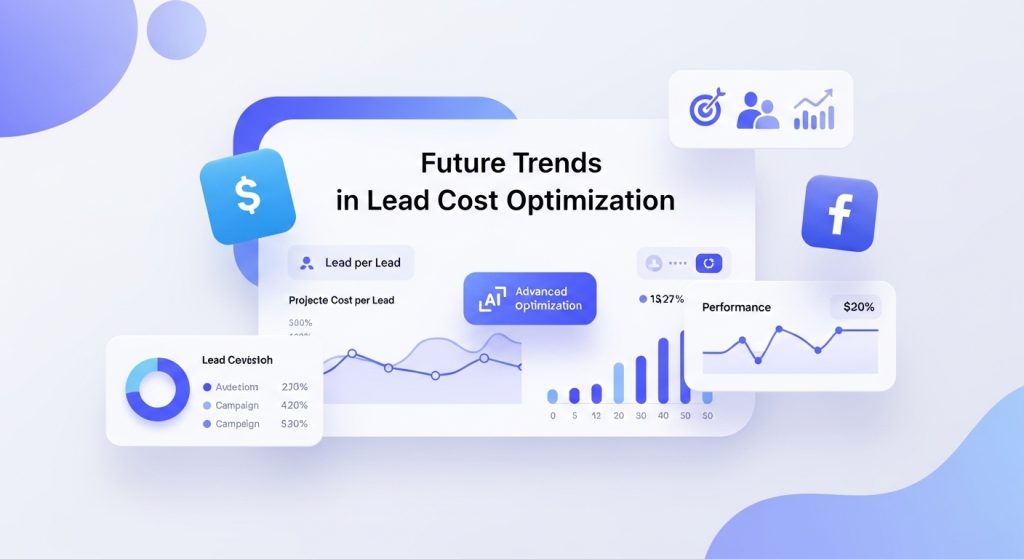
Digital advertising evolves quickly. Automation, AI-based targeting, and privacy-focused tracking will shape Facebook Ads Cost Per Lead strategies in the future. Meta AI optimization is increasingly handling bidding, targeting, and creative testing automatically. Video-first content, interactive ads, and conversational tools like WhatsApp Business enhance lead quality. Service and eCommerce businesses that adapt early benefit from lower costs and higher conversion rates. Staying ahead ensures continuous improvements in Reduce Facebook Ads Cost Per Lead initiatives.
Conclusion
Optimizing Facebook campaigns to reduce lead costs requires strategy, creativity, and continuous analysis. By combining targeting precision, high-quality creatives, retargeting, and analytics, businesses can reliably Reduce Facebook Ads Cost Per Lead. Consistent testing and optimization allow advertisers to scale efficiently while maintaining lead quality. Implementing these strategies ensures campaigns are both cost-effective and results-driven, maximizing ROI over time.
FAQs
Optimize targeting, creatives, landing pages, retargeting, and bidding strategies.
It varies by industry but generally $1–$10 per lead is considered reasonable.
Yes, engaging, localized, and relevant creatives lower Facebook Ads Cost Per Lead significantly.
Test continuously—weekly or biweekly testing ensures optimal performance.
Yes, by using precise targeting, retargeting, and split testing, even small budgets can achieve low CPL.