Small companies today compete in a highly digital marketplace. Traditional marketing methods often require large budgets, while social platforms provide affordable alternatives. This is where Facebook Ads for Small Businesses become powerful. Using the advertising ecosystem of Meta Platforms, even startups can reach thousands of potential customers within hours.Unlike traditional advertising, Facebook allows precise targeting based on interests, behaviors, demographics, and online activity. Tools inside Facebook Ads Manager make campaign creation accessible even for beginners.Moreover, businesses can measure performance instantly instead of guessing results. Small business owners gain control over spending, audiences, and optimization strategies. Because of this flexibility, many entrepreneurs rely on Facebook Ads for Small Businesses to generate leads, increase visibility, and grow revenue without needing massive marketing teams.
Why Small Businesses Choose Facebook Ads
Marketing success depends on reaching the right audience at the right time. Platforms like Facebook and Instagram host billions of active users daily, giving small brands unmatched exposure opportunities.One major reason entrepreneurs adopt Facebook Ads for Small Businesses is affordability. Campaign budgets can start as low as a few dollars per day. Additionally, advanced targeting allows companies to advertise only to people likely to buy their products.Another advantage lies in detailed analytics. Integration with Meta Business Suite provides performance data such as clicks, impressions, conversions, and engagement metrics.Consequently, businesses avoid wasting money on irrelevant audiences. When executed correctly, Facebook advertising transforms limited budgets into measurable growth and consistent customer acquisition.
Understanding the Facebook Ads Ecosystem
Before launching campaigns, beginners must understand how Meta’s advertising structure works. The system follows three main levels: Campaign, Ad Set, and Ad.The campaign level defines marketing objectives like traffic or conversions. The ad set controls audience targeting, placements, and budget allocation. Finally, the ad level focuses on creative elements such as images, videos, headlines, and calls-to-action.Within Facebook Ads for Small Businesses, mastering this structure prevents common beginner mistakes. Tools like Meta Pixel help track user actions on websites, allowing advertisers to optimize results.
Because everything connects inside one dashboard, small businesses can manage multiple campaigns efficiently. Understanding this ecosystem ensures smoother scaling and improved advertising performance over time.
Setting Clear Marketing Goals
Every successful advertising strategy begins with defined goals. Without clear objectives, even well-designed ads fail to deliver results. Therefore, businesses using Facebook Ads for Small Businesses must decide whether they want brand awareness, website traffic, engagement, or direct sales.For example, new brands typically start with awareness campaigns. Meanwhile, established stores focus on conversions and retargeting strategies. Choosing goals correctly helps the algorithm optimize delivery toward the right audience.Businesses often align Facebook campaigns with broader digital strategies that include Google Analytics tracking and email marketing funnels.Setting measurable KPIs like cost per click, conversion rate, or return on ad spend keeps campaigns performance-driven. When goals remain clear, decision-making becomes easier, and advertising investments generate predictable outcomes.
Creating a Facebook Business Account
To begin advertising, businesses must set up Meta Business Manager. This platform organizes pages, ad accounts, payment methods, and team access under one dashboard.The setup process involves linking a business page, verifying ownership, and configuring billing details. While simple, proper configuration prevents future account restrictions or tracking issues.Within Facebook Ads for Small Businesses, account structure plays a critical role. Separate ad accounts allow easier performance monitoring and budget control.Businesses should also enable two-factor authentication and assign user permissions carefully. These security measures protect advertising assets and prevent unauthorized access.Once setup is complete, entrepreneurs gain access to advanced targeting tools, analytics dashboards, and automation features essential for scaling campaigns successfully.
Audience Targeting Strategies
Targeting is the biggest strength of Facebook Ads for Small Businesses. Instead of advertising broadly, businesses can focus on audiences most likely to convert.Using interest targeting, advertisers reach users based on hobbies, behaviors, and purchase intent. Custom audiences allow retargeting website visitors, email subscribers, or previous customers. Meanwhile, lookalike audiences expand reach by finding users similar to existing buyers.Data gathered through Meta Pixel improves targeting accuracy over time. As campaigns collect more data, results typically become cheaper and more efficient.
Effective targeting reduces wasted ad spend while increasing engagement. Small businesses that invest time refining audiences often achieve higher conversion rates compared to broad advertising approaches.
Choosing the Right Ad Format
Meta offers multiple ad formats designed for different marketing goals. Selecting the correct format significantly impacts campaign performance.Image ads work well for simple promotions. Video ads capture attention and increase engagement. Carousel ads showcase multiple products, while collection ads enhance mobile shopping experiences.Platforms such as Instagram and Facebook placements automatically optimize delivery across feeds, stories, reels, and marketplaces.When implementing Facebook Ads for Small Businesses, testing different formats helps determine what resonates most with audiences. Creative experimentation often leads to better click-through rates and lower advertising costs.Consistent branding, strong visuals, and clear messaging remain essential regardless of format choice.
Writing High-Converting Ad Copy
Ad creatives capture attention, but persuasive copy drives conversions. Effective messaging addresses customer problems and clearly communicates benefits.
Successful Facebook Ads for Small Businesses typically include:
- A strong hook in the first sentence
- Emotional or practical value propositions
- Social proof or testimonials
- Clear call-to-action buttons
Marketers frequently analyze performance using Facebook Ads Manager insights to refine headlines and descriptions.Short, conversational language works best because users scroll quickly through feeds. Instead of selling aggressively, ads should focus on solving customer needs.Well-crafted copy increases engagement, improves relevance scores, and ultimately reduces advertising costs.
Budgeting and Bidding Explained
Budget control makes Facebook Ads for Small Businesses accessible even for startups. Advertisers can choose between daily budgets or lifetime budgets depending on campaign duration.Automatic bidding works well for beginners because Meta optimizes delivery toward desired outcomes. Advanced users may experiment with manual bidding strategies to improve profitability.Businesses often start with small testing budgets before scaling successful ads. This approach minimizes financial risk while gathering valuable performance data.Monitoring metrics like cost per result and return on ad spend ensures campaigns remain profitable. Gradual scaling helps maintain algorithm stability and consistent results.
Tracking Performance and Analytics
Data-driven decisions separate successful advertisers from beginners. Within Facebook Ads for Small Businesses, tracking performance allows continuous optimization.Integration with Google Analytics and Meta Pixel reveals user behavior after ad clicks. Businesses can analyze conversions, bounce rates, and revenue generated.
Key performance indicators include:
- Click-through rate
- Conversion rate
- Cost per acquisition
- Return on ad spend
Regular analysis highlights underperforming ads and identifies winning strategies. Instead of guessing, businesses rely on measurable insights to refine campaigns.
A/B Testing for Better Results
Testing remains essential for improving advertising outcomes. A/B testing compares variations of creatives, audiences, or placements to determine what performs best.When running Facebook Ads for Small Businesses, marketers often test headlines, images, videos, and call-to-action buttons simultaneously.Meta automatically distributes traffic between variations and reports results inside Facebook Ads Manager.Small improvements in conversion rate can significantly reduce advertising costs. Therefore, consistent testing becomes a long-term growth strategy rather than a one-time task.
Retargeting and Remarketing Strategies
Most customers do not purchase on their first visit. Retargeting solves this problem by re-engaging interested users.Using Facebook Ads for Small Businesses, advertisers can show ads to people who visited their website, watched videos, or interacted with social posts.
Data collected through Meta Pixel enables personalized remarketing campaigns. These ads often achieve higher conversion rates because audiences already recognize the brand.Retargeting works especially well for eCommerce stores, service providers, and local businesses aiming to convert warm leads into customers.
Common Beginner Mistakes to Avoid
Many beginners fail because they rush campaigns without strategy. Avoiding common errors improves results quickly.
Typical mistakes include:
- Targeting overly broad audiences
- Ignoring analytics data
- Changing campaigns too frequently
- Using weak creatives or unclear messaging
Within Facebook Ads for Small Businesses, patience plays an important role. Algorithms require time to learn and optimize performance.Businesses should allow campaigns to collect sufficient data before making major adjustments. Strategic decision-making consistently outperforms impulsive changes.
Scaling Facebook Ads Successfully
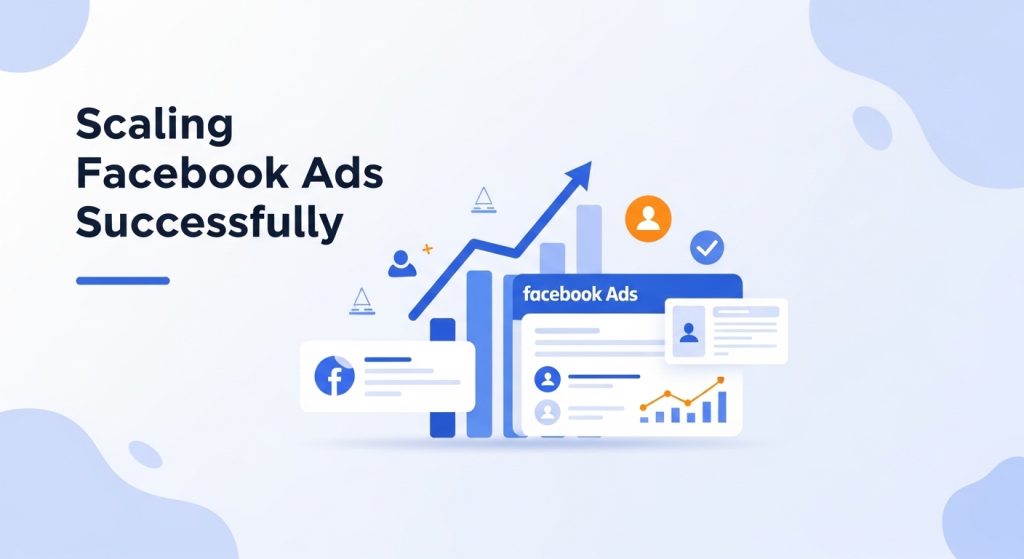
After finding winning campaigns, scaling becomes the next objective. Growth should occur gradually to maintain performance stability.Successful scaling methods include increasing budgets slowly, duplicating high-performing ad sets, and expanding lookalike audiences.Businesses leveraging Facebook Ads for Small Businesses often combine automation features inside Meta Business Suite with creative testing strategies.As data accumulates, campaigns become smarter and more profitable. Scaling transforms small advertising experiments into sustainable revenue systems that support long-term business growth.
Conclusion
In today’s competitive digital world, Facebook Ads for Small Businesses provide one of the most powerful marketing opportunities available. From precise targeting and flexible budgeting to advanced analytics and automation, Meta’s advertising platform enables entrepreneurs to compete with larger brands.Success does not require massive budgets. Instead, it depends on strategy, testing, and consistent optimization. Businesses that understand audience behavior, craft compelling creatives, and track performance effectively can achieve predictable growth.By following the steps in this guide, small business owners can confidently launch, optimize, and scale profitable advertising campaigns.
FAQs
Yes. Facebook Ads for Small Businesses offer affordable targeting, measurable results, and scalable growth opportunities.
Most beginners start with $5–$20 per day and increase budgets after identifying profitable campaigns.
Initial results appear within days, but optimization typically takes 2–4 weeks.
No, but having a website with Meta Pixel tracking improves conversions and retargeting effectiveness.
Video ads and retargeting campaigns generally produce the highest engagement and conversion rates.