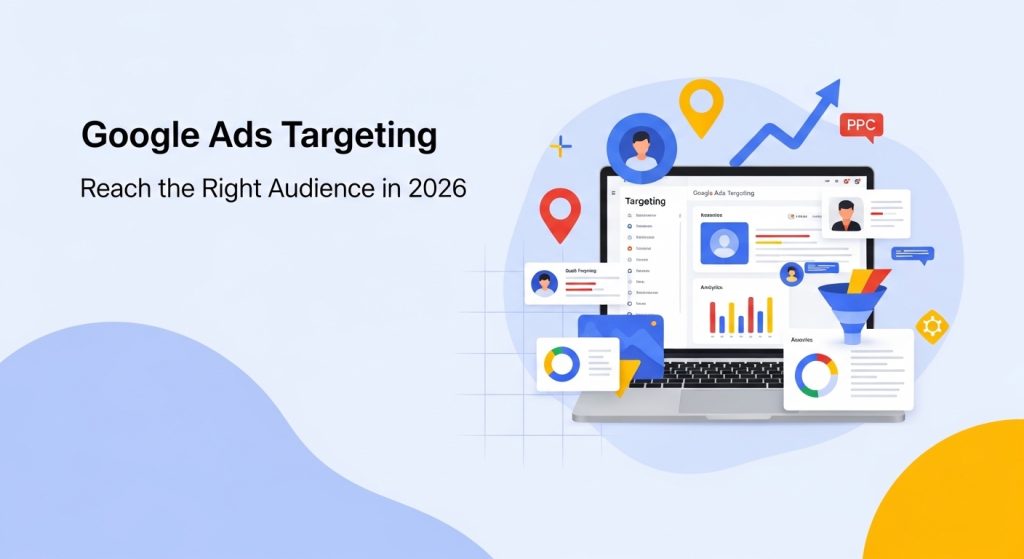
Google Ads Targeting is crucial for ensuring your ads reach the right audience at the right time. By targeting relevant users, businesses can maximize ROI and reduce wasted spend. Effective targeting strategies involve selecting appropriate demographics, interests, locations, devices, and behaviors. In 2026, advertisers are increasingly using AI and machine learning to refine their audience segments. These Google Ads Expert Tips help create campaigns that are both efficient and impactful. Without proper targeting, even high-quality ads may fail to reach potential customers. Implementing structured targeting ensures your campaigns are optimized for clicks, conversions, and overall campaign success.
Understanding Audience Segmentation
Audience segmentation is the backbone of Google Ads Targeting. Divide your potential users into meaningful groups based on demographics, interests, behaviors, and past interactions. Remarketing lists target users who already engaged with your website, while similar audiences help reach new potential customers. Proper segmentation allows advertisers to tailor ad copy, bids, and landing pages to each group. Experts recommend analyzing audience behavior and testing different segments to identify the highest-performing groups. Accurate segmentation ensures your campaigns remain relevant, increases engagement, and improves Quality Score, ultimately enhancing ROI.
Demographic Targeting Strategies
Demographic targeting is an essential component of Google Ads Targeting. By focusing on age, gender, household income, and parental status, advertisers can deliver more relevant ads. For instance, a luxury product may perform better with higher-income segments, while a gaming product targets younger audiences. Adjusting bids for high-performing demographics helps optimize budget allocation. Google Ads provides tools to refine demographics for maximum relevance. Expert tips suggest monitoring performance regularly and adjusting strategies based on engagement metrics. Combining demographic targeting with other audience strategies enhances campaign precision and effectiveness.
Location-Based Targeting
Location targeting ensures your ads reach users in specific geographic areas, making it a critical element of Google Ads Targeting. Businesses can focus on countries, cities, or even radius-based targeting around physical locations. Location-based campaigns are ideal for local businesses, events, or region-specific offers. Experts recommend layering location targeting with other audience signals like device and time-of-day adjustments. This approach increases relevance, reduces wasted spend, and boosts engagement. Additionally, analyzing location performance helps optimize bids and improve campaign efficiency for maximum ROI.
Device and Platform Targeting
Targeting by device ensures your campaigns are optimized for Google Ads Targeting effectiveness. Ads can be customized for desktop, mobile, and tablet users. Mobile-first campaigns are increasingly important as mobile traffic grows. Experts suggest adjusting bids based on device performance; for example, higher bids for devices that drive conversions. Platform targeting also matters: ads may perform differently across search, display, YouTube, or Gmail campaigns. Proper device and platform targeting ensures optimal delivery, engagement, and ROI, keeping campaigns efficient while reaching audiences where they’re most active.
Interest and Affinity Targeting
Interest-based targeting allows advertisers to reach users aligned with their preferences, making it a vital part of Google Ads Targeting. Affinity audiences group users based on their long-term interests, while in-market audiences target those ready to purchase. This strategy improves ad relevance and engagement. Combining interests with demographics and location targeting amplifies impact. Experts recommend testing multiple interest groups and refining targeting based on conversion data. Interest-based targeting ensures your ads reach users more likely to engage, enhancing CTR, conversions, and campaign efficiency.
Remarketing Campaigns
Remarketing is a powerful component of Google Ads Targeting. By targeting users who previously interacted with your website, ads remain top-of-mind and encourage conversions. Strategies include standard remarketing, dynamic remarketing, and custom audiences. Ads can be tailored based on past behavior, such as product pages viewed or abandoned carts. Experts suggest using frequency caps to avoid overexposure and optimizing bid strategies for high-value users. Remarketing improves ROI by converting warm leads while minimizing spend on unqualified traffic.
Custom and Similar Audiences
Custom and similar audiences expand your reach while maintaining relevance, a key aspect of Google Ads Targeting. Custom audiences use data from emails, website visitors, or app users to create highly specific segments. Similar audiences allow you to target new users who share characteristics with your best-performing customers. Experts recommend combining these strategies with remarketing for maximum performance. Properly implementing custom and similar audiences ensures your campaigns reach high-potential prospects, improving conversions and overall campaign efficiency.
Contextual and Keyword Targeting
Keyword and contextual targeting align ads with relevant content, enhancing Google Ads Targeting effectiveness. On the Display Network, ads can appear on sites matching your chosen keywords or themes. Search campaigns rely on carefully selected keywords to trigger ads for high-intent queries. Experts recommend combining exact, phrase, and broad match types to balance reach and relevance. Contextual targeting ensures ads are shown alongside relevant content, increasing engagement and CTR. Properly executed, this strategy improves campaign efficiency while reaching users interested in your offerings.
Using Ad Scheduling
Ad scheduling optimizes campaign delivery based on when your audience is most active, a vital Google Ads Targeting tactic. Adjust bids or show ads only during peak engagement periods to maximize ROI. For instance, retail campaigns may perform better on weekends, while B2B services thrive during work hours. Experts recommend analyzing historical data to identify optimal times. Combined with device and location targeting, ad scheduling ensures campaigns reach users when they’re most likely to convert, reducing wasted spend and improving efficiency.
Layered Targeting Techniques
Layered targeting combines multiple targeting signals to refine audience precision, a core principle of Google Ads Targeting. Demographics, location, device, interests, and remarketing can be layered to reach highly relevant users. Experts advise testing different combinations to identify the most effective segments. Layering increases ad relevance, improves CTR, and boosts conversions while reducing wasted impressions. Using layered targeting ensures campaigns are highly efficient, cost-effective, and capable of reaching the right audience consistently.
Optimizing Campaign Performance
Monitoring and optimizing campaigns is essential for effective Google Ads Targeting. Track KPIs like CTR, conversion rate, ROAS, and engagement metrics. Adjust bids, targeting settings, and ad copy based on performance insights. Experts recommend A/B testing creatives, experimenting with extensions, and analyzing search terms regularly. Optimization ensures campaigns maintain high relevance, reduce wasted spend, and deliver measurable results. Continuous refinement aligns campaigns with audience behavior, ensuring maximum ROI over time.
Seasonal and Trend Adjustments
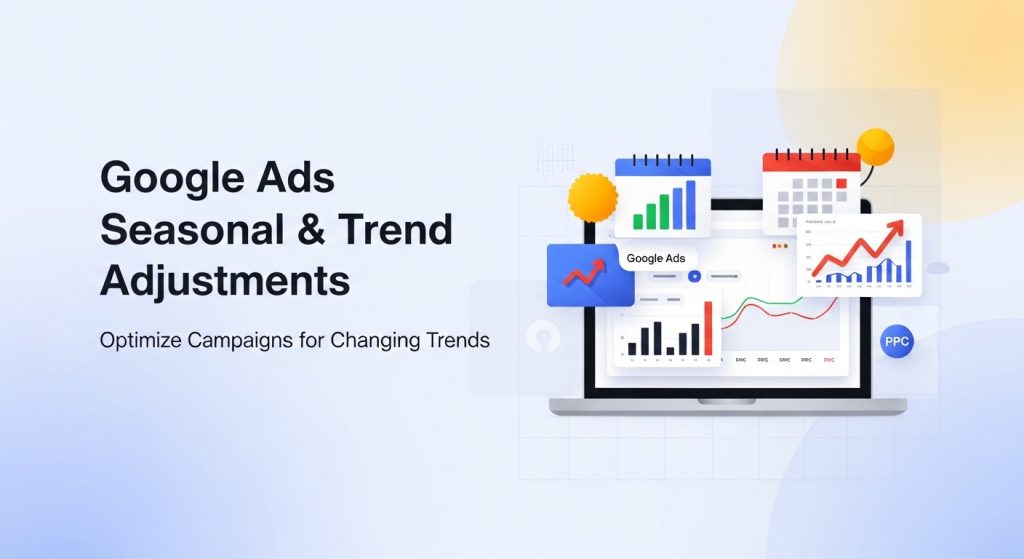
Adapting campaigns to trends and seasonality is a key Google Ads Targeting strategy. Adjust bids, budgets, and creatives to align with holidays, industry events, or trending topics. Historical performance data helps forecast peak periods. Testing different targeting settings during these times can improve conversions. Experts suggest reviewing results post-campaign to refine future strategies. Staying in tune with seasonal and trend-based adjustments ensures campaigns remain competitive, relevant, and effective year-round.
Common Targeting Mistakes to Avoid
Avoiding mistakes is critical in Google Ads Targeting. Common errors include overbroad targeting, ignoring negative keywords, failing to segment audiences, and neglecting device or location adjustments. Experts advise regular audits and performance reviews to prevent wasted spend. Overusing automation without monitoring can reduce campaign efficiency. Proper strategy implementation and ongoing optimization ensure campaigns remain precise, cost-effective, and capable of reaching the right audience consistently.
Conclusion
Mastering Google Ads Targeting allows businesses to reach the right audience efficiently, maximizing conversions and ROI. Combining demographic, location, device, interest, remarketing, and layered targeting strategies ensures ads reach high-potential users. Continuous optimization, seasonal adjustments, and avoiding common mistakes further enhance campaign performance. By implementing these expert techniques, businesses can confidently navigate 2026’s competitive digital advertising landscape and achieve measurable success.
FAQs
A strategy to reach the right audience based on demographics, interests, behavior, location, and device.
Use layered targeting, remarketing, and custom audiences while analyzing performance data regularly.
Overbroad targeting, ignoring negative keywords, and neglecting device or location adjustments.
Custom audiences target known users; similar audiences find new users with shared characteristics.
Adjust campaigns’ bids, budgets, and creatives based on holidays, events, and trending periods.